 TIME
TIME


The format of international short signal codes includes the following contents in English:
1、Sender’s information: This may include the name of the sender or the sender’s identification number.
2、Receiver’s information: This includes the name or identification number of the intended receiver of the signal.
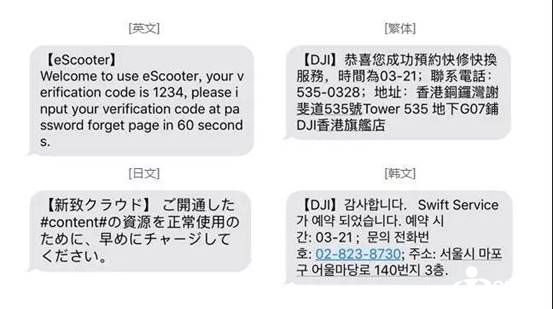
3、Date and time: The date and time when the signal was sent are often included to ensure accurate transmission and receipt.
4、Message content: This is the actual message or information that is being transmitted in the short signal code.
5、Security information: Depending on the type of signal and its purpose, there may be additional security measures or codes included to ensure the authenticity and integrity of the message.
6、Format specifications: This may include specifications for the type of encoding used, character set, length of the code, etc.

7、Standard codes or prefixes: Depending on the type of short signal (e.g., emergency signals, distress signals, etc.), there may be standard codes or prefixes used to identify the purpose or type of signal.
These are some of the common elements that may be included in international short signal codes, but the specific format and content may vary depending on the purpose and context of the signal.